

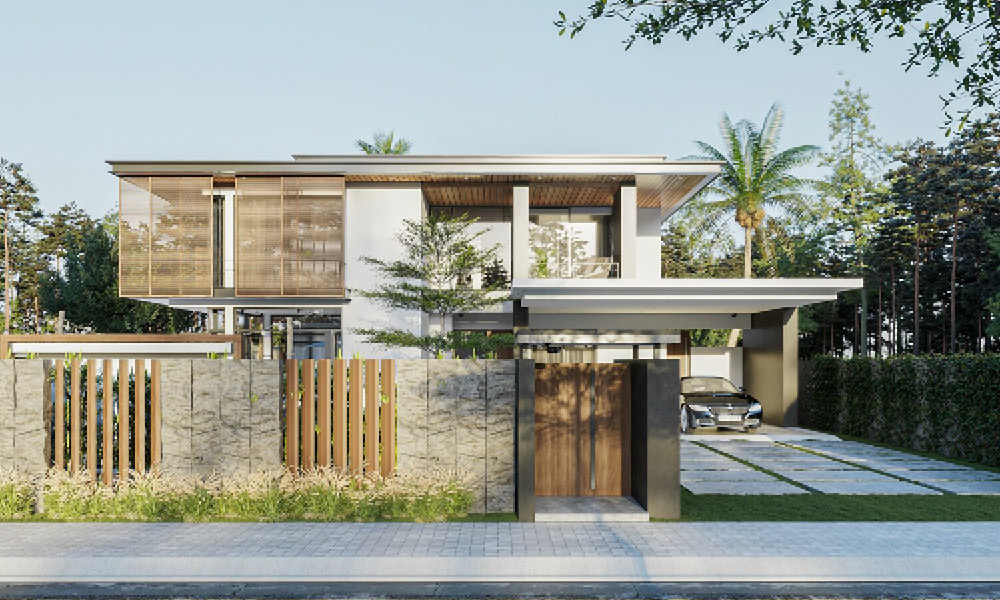
The exterior of a building plays a crucial role in defining its identity and visual impact. It is the first element people notice when approaching a property, making it an important factor in shaping impressions. Beyond aesthetics, exterior design also contributes to structural protection, energy efficiency, and property value.
A thoughtfully designed exterior combines architectural style, durable materials, landscaping, and lighting to create a balanced environment that is both appealing and practical.
What Is Exterior Design?
Exterior design refers to the outer structure and visual appearance of a building. It includes everything visible from outside, such as walls, roof, windows, doors, color schemes, and surrounding outdoor spaces.
Architects and designers focus on ensuring that these elements work together to produce a structure that is attractive, durable, and functional.
Main Components of Exterior Design
Several elements shape the overall look and performance of a building’s exterior:
- Facade design – The front-facing architectural appearance
- Roof structure – Determines the shape and protection of the building
- Exterior materials – Brick, stone, wood, concrete, or metal
- Doors and windows – Provide light, ventilation, and design balance
- Outdoor lighting – Improves safety and highlights features
- Landscaping – Gardens, trees, lawns, and decorative pathways
Each component contributes to creating a cohesive and visually pleasing exterior environment.
Why Exterior Design Matters
A well-planned exterior provides several advantages that extend beyond simple appearance.
1. Improves First Impressions
The exterior sets the tone for the entire property. An attractive design can instantly communicate quality, style, and attention to detail.
2. Boosts Property Value
Homes and buildings with appealing exteriors often attract more buyers and tenants. Features like modern facades, landscaping, and updated entryways can significantly increase market value.
3. Enhances Structural Protection
Exterior materials shield the building from environmental factors such as rain, heat, wind, and humidity, ensuring long-term durability.
4. Supports Energy Efficiency
Proper design elements—such as insulated walls, well-positioned windows, and shading—help regulate indoor temperature and reduce energy consumption.
5. Creates Outdoor Living Opportunities
Modern exterior layouts often include patios, balconies, decks, and gardens, expanding usable living space beyond interior rooms.
Popular Exterior Design Styles
Different architectural styles influence how a building’s exterior is designed.
Modern Exterior
Modern architecture emphasizes simplicity, clean lines, and functional design.
Common features include:
- Large glass windows
- Minimal decorative elements
- Neutral color palettes
- Flat or gently sloped roofs
Traditional Exterior
Traditional designs draw inspiration from historical architectural styles and prioritize symmetry and decorative features.
Typical characteristics:
- Brick or stone walls
- Elegant columns or trims
- Pitched roofs
- Balanced window placement
Rustic Exterior
Rustic architecture highlights natural textures and materials to create a warm and inviting atmosphere.
Key elements include:
- Wooden siding
- Stone accents
- Earth-toned colors
- Large porches or patios
Contemporary Exterior
Contemporary design evolves with current trends and often blends modern elements with unique architectural ideas.
It commonly features:
- Mixed materials like wood, glass, and metal
- Asymmetrical shapes
- Bold architectural details
- Expansive windows
Common Materials Used in Exterior Construction
Selecting the right materials ensures both beauty and long-term durability.
Brick
- Strong and long-lasting
- Requires minimal maintenance
- Provides classic architectural appeal
Stone
- Natural and highly durable
- Adds texture and elegance
- Resistant to weather conditions
Wood
- Warm and visually appealing
- Popular in rustic and farmhouse designs
- Needs regular maintenance to prevent damage
Metal
- Sleek and modern appearance
- Resistant to pests and fire
- Often used in contemporary architecture
Concrete
- Extremely durable and versatile
- Suitable for modern and industrial-style buildings
- Allows flexible design possibilities
Landscaping for Exterior Enhancement
Landscaping significantly improves the visual harmony of a building’s exterior. When thoughtfully planned, it enhances both beauty and functionality.
Popular landscaping ideas include:
- Lush lawns and flower beds
- Decorative stone pathways
- Outdoor seating spaces
- Small water features like fountains
- Strategic garden lighting
These elements help create a natural and welcoming environment around the building.
Exterior Lighting Ideas
Proper lighting can dramatically improve both safety and aesthetics.
Effective lighting options include:
- Pathway lighting to guide visitors safely
- Accent lighting to highlight textures or architectural details
- Spotlights for trees or focal landscape features
- Warm entrance lighting to enhance the front door area
Well-designed lighting ensures the exterior looks appealing both during the day and at night.
Tips to Improve Your Building’s Exterior
Enhancing an exterior does not always require major renovations. Small upgrades can make a noticeable difference.
Consider these practical improvements:
- Apply fresh paint or modern color combinations
- Upgrade the front door or entrance area
- Install stylish outdoor lighting fixtures
- Add plants, shrubs, and decorative landscaping
- Maintain a clean and organized outdoor space
These simple changes can significantly improve a property’s curb appeal and overall value.
FAQ
1. What does exterior mean in construction?
In construction, the exterior refers to the outer part of a building, including walls, roofing, windows, doors, and outdoor architectural elements.
2. Which materials are best for exterior walls?
Durable options such as brick, stone, concrete, and metal panels are commonly used because they offer strength and weather resistance.
3. How can exterior design improve property value?
A visually appealing facade, quality materials, and well-maintained landscaping can make a property more attractive to buyers, increasing its market value.
4. What colors are popular for modern exteriors?
Neutral shades like white, gray, beige, and charcoal are widely used because they create a clean and timeless appearance.
5. How does exterior lighting enhance a property?
Lighting improves safety, highlights architectural details, and allows the building to maintain its visual appeal after sunset.
6. Is landscaping part of exterior design?
Yes, landscaping is an essential component because it integrates nature with architecture, improving both beauty and functionality.
7. What is the meaning of curb appeal?
Curb appeal refers to how attractive a property appears from the street, influencing first impressions and overall property perception.