

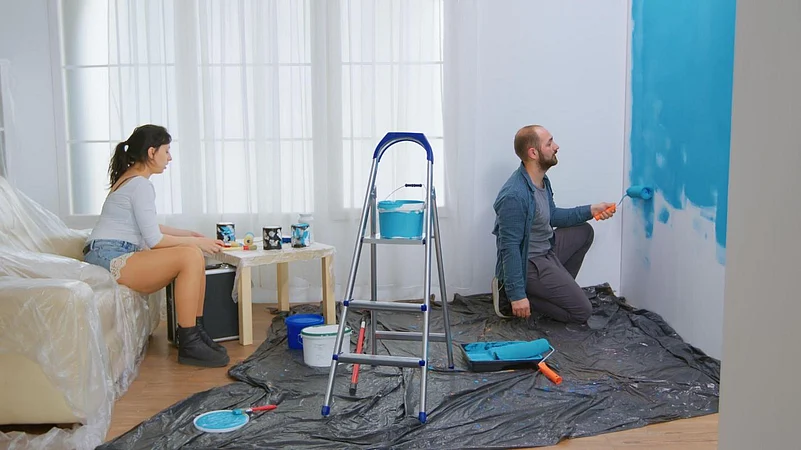
Home improvement is more than just updating a house—it is about creating a functional, comfortable, and visually appealing living environment. Whether you plan to enhance property value, improve energy efficiency, or simply refresh your space, strategic improvements can make a significant difference.
A well-planned home improvement project can range from small upgrades like repainting walls to large renovations such as remodeling kitchens or adding new rooms. The key lies in prioritizing projects that provide long-term value and usability.
Why Home Improvement Matters
Improving your home is an investment that benefits both lifestyle and property value. A well-maintained home is easier to live in and often attracts higher resale prices.
Key benefits include:
- Increased property value
- Improved comfort and functionality
- Better energy efficiency
- Enhanced aesthetics
- Reduced long-term maintenance costs
Even modest upgrades, such as installing better lighting or updating fixtures, can significantly elevate the feel of a home.
Planning a Successful Home Improvement Project
Before starting any renovation or upgrade, careful planning is essential. Poor planning can lead to unnecessary expenses, delays, or unsatisfactory results.
1. Define Your Goals
Start by identifying what you want to achieve. Ask yourself:
- Do you want to increase property value?
- Are you aiming for better functionality?
- Is the goal purely aesthetic improvement?
Clear goals help determine which projects deserve priority.
2. Set a Realistic Budget
Budgeting prevents overspending and keeps the project manageable. When calculating costs, consider:
- Materials
- Labor
- Permits
- Unexpected repairs
Experts recommend keeping 10–20% of the budget reserved for unforeseen expenses.
3. Create a Project Timeline
Scheduling tasks ensures your project stays organized. Large renovations may require phased timelines that prevent disruption to daily living.
High-Impact Home Improvement Ideas
Certain upgrades provide noticeable improvements without requiring a full renovation.
Kitchen Upgrades
The kitchen is often the heart of a home. Improving this space can deliver both functional and financial returns.
Consider these upgrades:
- Installing modern cabinets
- Upgrading to energy-efficient appliances
- Adding stylish backsplashes
- Replacing outdated countertops
Even small changes like new handles or improved lighting can modernize the entire room.
Bathroom Renovations
Bathrooms are another area where upgrades deliver strong value.
Popular improvements include:
- Installing walk-in showers
- Updating vanities and mirrors
- Improving ventilation systems
- Adding water-saving fixtures
These updates enhance both comfort and efficiency.
Living Room Enhancements
The living room is the primary gathering area in most homes. Simple upgrades can refresh the space.
Effective improvements include:
- Repainting walls with neutral tones
- Installing modern lighting fixtures
- Adding built-in shelves
- Updating flooring or carpets
These adjustments can instantly improve the atmosphere of the room.
Budget-Friendly DIY Improvements
Not every improvement requires a contractor. Many simple projects can be completed independently.
Some popular DIY ideas include:
- Painting walls or furniture
- Installing floating shelves
- Replacing cabinet hardware
- Updating light fixtures
- Improving garden landscaping
DIY projects help reduce costs while giving homeowners greater creative control.
Energy-Efficient Home Improvements
Energy efficiency is becoming a top priority for homeowners. Improving efficiency not only helps the environment but also lowers monthly bills.
Common upgrades include:
- Installing LED lighting
- Adding proper insulation
- Replacing old windows with double-glazed windows
- Using smart thermostats
- Installing solar panels
These improvements provide long-term savings and enhance sustainability.
Improving Outdoor Spaces
Outdoor areas are often overlooked but can significantly enhance overall property appeal.
Consider these improvements:
- Building a deck or patio
- Installing outdoor lighting
- Adding garden pathways
- Creating outdoor seating areas
Well-designed outdoor spaces expand usable living areas and improve the home’s visual charm.
Common Home Improvement Mistakes to Avoid
While improvements can add great value, mistakes during planning or execution can create problems.
Avoid these common issues:
- Ignoring proper budgeting
- Choosing style over functionality
- Using poor-quality materials
- Skipping necessary permits
- Attempting complex projects without expertise
Careful preparation and informed decisions help ensure successful outcomes.
Maintaining Your Improved Home
After completing improvements, ongoing maintenance keeps everything in excellent condition.
Regular maintenance tasks include:
- Inspecting plumbing systems
- Cleaning gutters
- Repainting worn surfaces
- Checking electrical systems
- Servicing HVAC units
Consistent care extends the life of improvements and prevents costly repairs.
Conclusion
Home improvement projects allow homeowners to enhance comfort, functionality, and property value. From simple DIY upgrades to major renovations, thoughtful planning and smart design choices make a significant difference.
By focusing on practical upgrades, maintaining a realistic budget, and prioritizing quality materials, homeowners can create spaces that are both beautiful and highly functional.
Frequently Asked Questions (FAQ)
1. What are the most valuable home improvement projects?
Kitchen remodels, bathroom upgrades, energy-efficient windows, and improved outdoor spaces typically provide the best return on investment.
2. How can I improve my home on a small budget?
Simple upgrades like repainting walls, replacing cabinet hardware, improving lighting, and adding shelves can make a big impact without high costs.
3. Should I hire professionals or do home improvements myself?
DIY works well for smaller projects. However, complex tasks such as electrical work, plumbing, or structural changes should be handled by professionals.
4. How often should a home be renovated?
Minor updates can occur every 5–10 years, while major renovations may be needed every 15–20 years depending on wear and lifestyle changes.
5. What home improvements increase energy efficiency?
Upgrading insulation, installing LED lights, replacing old windows, and using smart thermostats significantly improve energy efficiency.
6. How can I make a small home look bigger?
Using light colors, mirrors, smart storage solutions, and minimal furniture helps create the illusion of more space.
7. Do home improvements always increase property value?
Not always. Improvements that align with local market trends and enhance functionality usually provide the greatest value increase.