

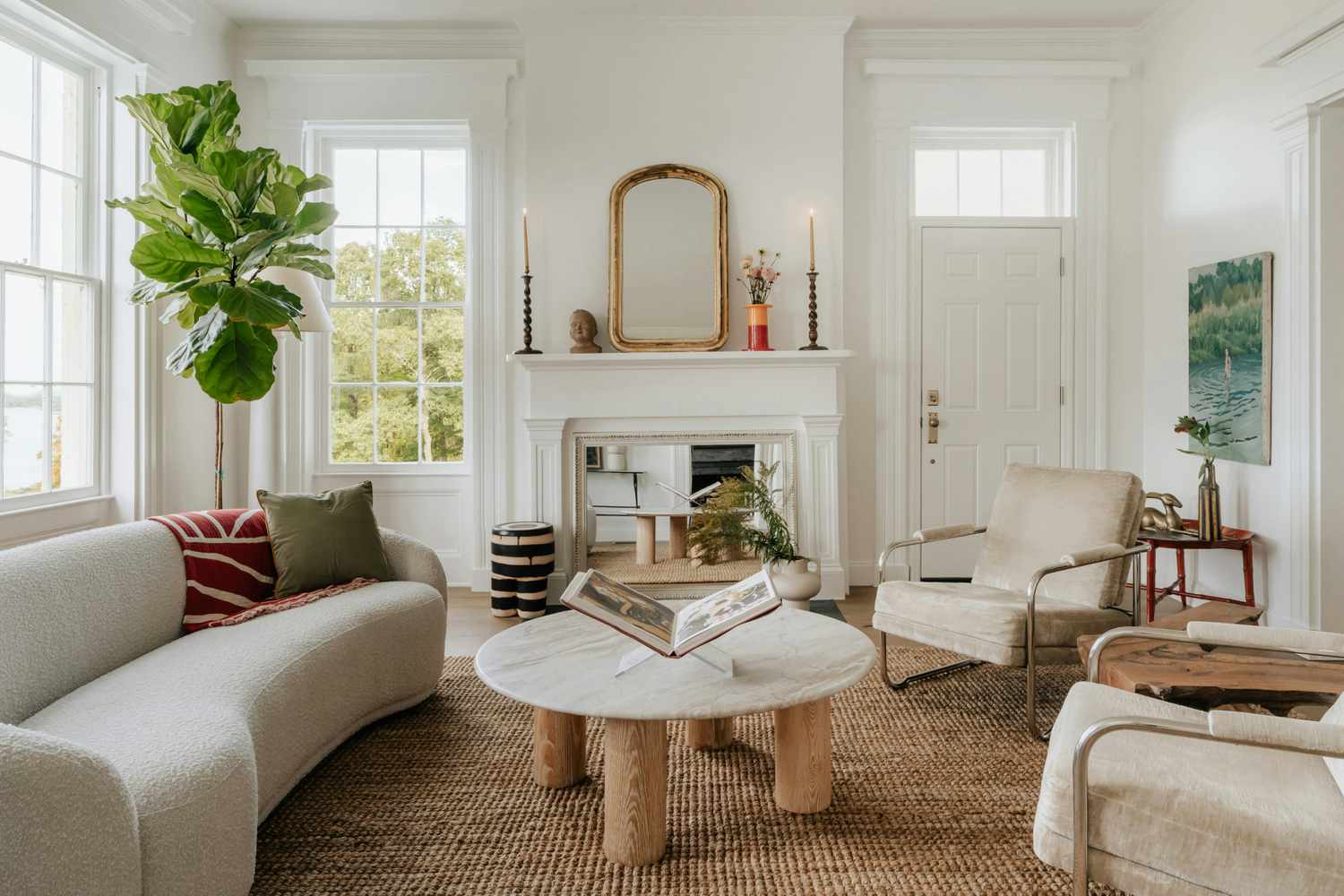
Minimalist interiors focus on simplicity, functionality, and visual calm. Instead of filling a room with decorative objects, minimalist furniture emphasizes clean lines, intentional design, and purposeful placement. The result is a home that feels open, breathable, and easy to maintain.
Adopting minimalist furniture styles doesn’t mean sacrificing comfort or personality. It simply means choosing pieces that serve a purpose, eliminate visual noise, and contribute to a balanced living environment.
Why Minimalist Furniture Works for Clutter-Free Living
Minimalism helps reduce both physical clutter and mental overwhelm. When furniture is streamlined and intentional, the entire home becomes easier to organize and maintain.
Key benefits include:
- Improved functionality: Each piece has a clear purpose.
- Better visual harmony: Clean shapes create a calm atmosphere.
- More open space: Rooms feel larger and brighter.
- Simplified cleaning and maintenance
- Reduced impulse decorating and furniture purchases
Minimalist furniture encourages thoughtful design decisions rather than filling spaces with unnecessary items.
Scandinavian Minimalism
Scandinavian design is one of the most recognizable minimalist styles. Originating in Northern Europe, it blends simplicity, warmth, and practicality.
Key Characteristics
- Light-colored woods such as birch or oak
- Neutral palettes: whites, greys, soft beige
- Functional furniture with gentle curves
- Cozy textures like wool or linen
- Emphasis on natural light
Typical Furniture Pieces
- Low-profile sofas
- Wooden dining tables with slim legs
- Simple open shelving
- Compact armchairs with soft upholstery
Scandinavian minimalism is ideal for those who want a warm and inviting minimalist home rather than a stark one.
Japanese Minimalist (Zen) Style
Japanese interiors embody the philosophy of “less but better.” Furniture is intentionally low to the ground, creating a grounded and tranquil atmosphere.
Key Characteristics
- Low seating and tables
- Natural materials such as wood, bamboo, and paper
- Neutral tones and earthy colors
- Open spaces and minimal decoration
- Strong connection to nature
Typical Furniture Pieces
- Low wooden platform beds
- Tatami-style floor seating
- Compact wooden storage units
- Simple sliding door cabinets
Japanese minimalism promotes peaceful, uncluttered spaces that encourage mindfulness and calm living.
Modern Minimalist Furniture
Modern minimalist furniture focuses on geometry, smooth surfaces, and functional design. It often incorporates metal, glass, and engineered materials.
Key Characteristics
- Straight, geometric lines
- Neutral color palettes (black, white, grey)
- Minimal ornamentation
- Functional layouts
- Smooth surfaces and sleek finishes
Typical Furniture Pieces
- Modular sofas
- Glass or metal coffee tables
- Wall-mounted TV units
- Hidden storage cabinets
This style works particularly well in urban apartments and contemporary homes.
Multifunctional Minimalist Furniture
Minimalist living often relies on smart furniture that serves multiple purposes. This approach reduces the total number of items needed in a home.
Popular Multifunctional Options
- Storage beds with built-in drawers
- Sofa beds for guests
- Expandable dining tables
- Ottomans with hidden storage
- Wall-mounted foldable desks
These pieces are particularly helpful in small apartments, studios, and compact homes where space is limited.
How to Choose Minimalist Furniture for Your Home
Adopting minimalist furniture involves thoughtful decision-making. Rather than purchasing many pieces, focus on quality, durability, and practicality.
Prioritize Function
Before buying furniture, ask:
- Does this serve a clear purpose?
- Will it be used regularly?
- Does it reduce clutter or create more?
Choose Neutral Color Palettes
Minimalist spaces usually rely on:
- White
- Soft grey
- Beige
- Natural wood tones
- Muted earth colors
Neutral tones create visual calm and design consistency.
Focus on Quality Over Quantity
Instead of filling a room with multiple decorative pieces, invest in:
- One well-designed sofa
- A sturdy wooden dining table
- Durable storage furniture
Minimalist homes value longevity and craftsmanship.
Keep Lines Simple
Look for furniture with:
- Clean silhouettes
- Slim legs
- Smooth surfaces
- Minimal decorative carving
Simple shapes help maintain visual clarity and openness.
Common Mistakes to Avoid in Minimalist Interiors
Even minimalism can feel cluttered if not approached carefully.
Avoid these mistakes:
- Buying too many “decorative minimal” items
- Choosing uncomfortable furniture just for aesthetics
- Ignoring storage needs
- Using too many contrasting colors
- Leaving rooms feeling empty rather than balanced
The goal is intentional simplicity, not sterile emptiness.
Final Thoughts
Minimalist furniture styles make it easier to maintain a calm, organized, and visually balanced home. Whether you prefer the warmth of Scandinavian design, the serenity of Japanese interiors, or the sleekness of modern minimalism, the key lies in selecting furniture that prioritizes purpose, quality, and simplicity.
By focusing on fewer but better pieces, you create a living space that feels more spacious, peaceful, and easy to manage every day.
Frequently Asked Questions (FAQs)
1. What defines minimalist furniture design?
Minimalist furniture is characterized by clean lines, simple shapes, neutral colors, and functional design. Each piece serves a specific purpose without excessive decoration.
2. Is minimalist furniture suitable for small apartments?
Yes. Minimalist furniture is ideal for small spaces because it emphasizes compact design, multifunctionality, and open layouts.
3. What materials are commonly used in minimalist furniture?
Common materials include natural wood, metal, glass, linen, leather, and engineered wood, all chosen for durability and simplicity.
4. How do I make a minimalist room feel cozy?
Add soft textures, natural lighting, neutral fabrics, and a few carefully selected décor elements like plants or rugs.
5. Can minimalist furniture include color?
Yes, but colors are usually muted or neutral. Soft pastels or earthy tones can add warmth without overwhelming the design.
6. Is minimalist furniture expensive?
Not necessarily. While some designer pieces can be costly, many minimalist designs focus on simplicity and practicality, making them available at various price points.
7. How many furniture pieces should a minimalist living room have?
A minimalist living room typically includes essential items only, such as a sofa, coffee table, storage unit, and possibly one accent chair. The focus is on function and openness rather than quantity.