

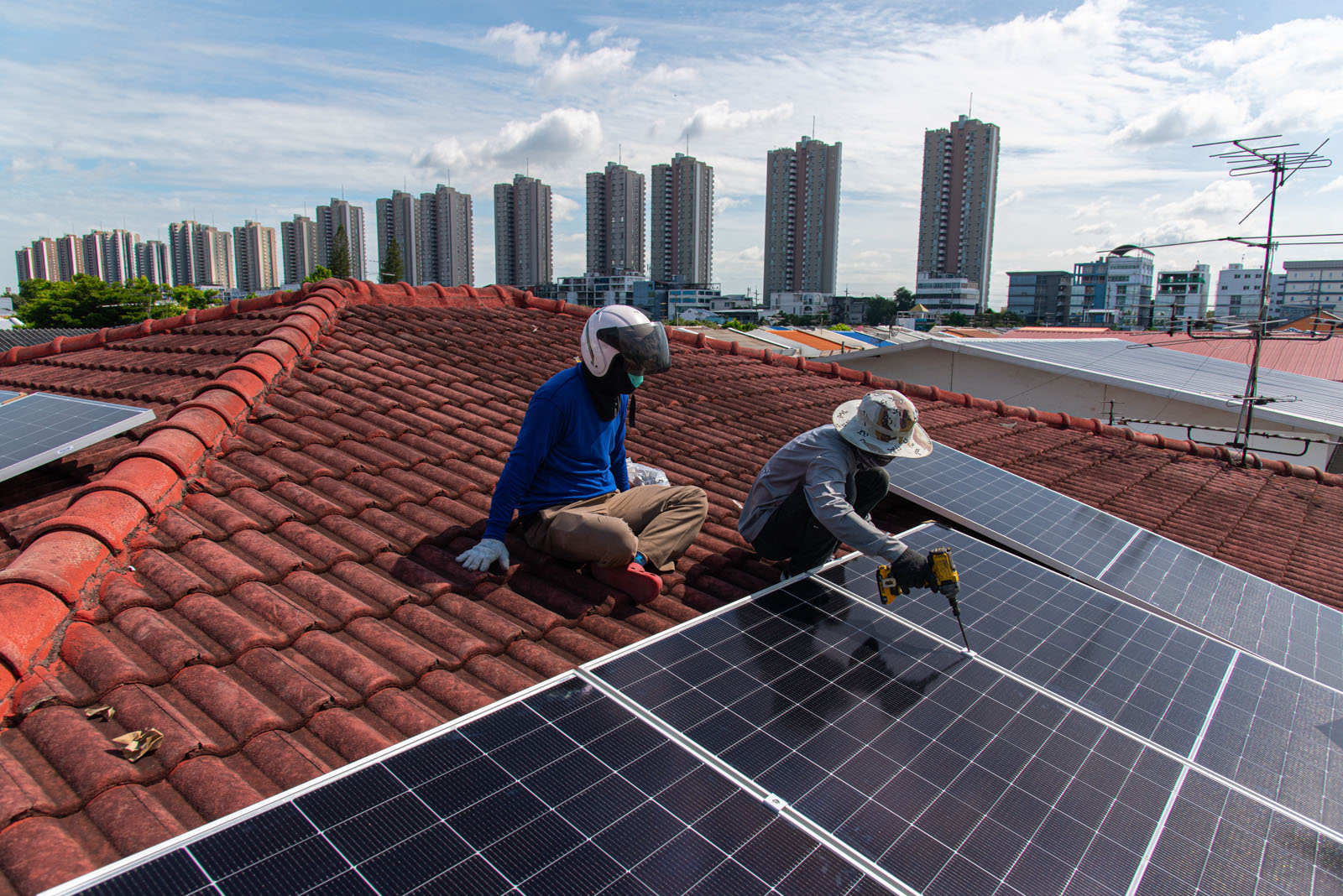
Thailand sits close to the equator, which means strong sunlight for most of the year. This makes solar rooftop systems (https://kunini.com/services/solar-rooftops/) a practical choice for households and companies across the country. With abundant sunshine in regions from Chiang Mai to Songkhla, rooftops can produce steady power almost every day.
Electricity costs in Thailand have climbed over recent years, driven by higher fuel prices and rising demand. Many families and business owners look at solar rooftop installations (https://kunini.com/services/solar-rooftops/) as a way to reduce monthly bills. By generating power on-site, you rely less on the grid and protect yourself against future price increases.
Government support also plays a part. Thailand’s net metering and net billing schemes allow property owners to send surplus electricity back to the grid. Learning how a solar rooftop system (https://kunini.com/services/solar-rooftops/) fits within these policies helps you plan an installation that suits your needs and budget. The Energy Regulatory Commission continues to shape rules that make residential and commercial solar more accessible.
Lower Energy Bills
The main draw for most people is cost saving. A typical Thai home consumes a large share of its electricity during daylight hours, especially for air conditioning. Since solar panels produce the most power at midday, they cover a big portion of this demand directly. Over time, the savings can offset the initial cost of the system.
For businesses, the effect is even stronger. Factories, offices, and shops often run cooling and machinery throughout the working day. Solar power meets this load when the sun is highest, cutting peak-hour charges that push bills upward.
Reliable Power in a Hot Climate
Thailand’s tropical weather brings intense heat, and cooling accounts for much of national energy use. Solar systems match this pattern well. When temperatures rise and air conditioners work hardest, panels generate at full capacity. This natural alignment makes rooftop solar a sensible fit for the local climate.
Modern panels also perform well during the rainy season. While output drops on cloudy days, systems still capture diffused light. Battery storage can hold excess energy from sunny periods, giving you power even after sunset or during storms.
Support for a Cleaner Environment
Thailand has set targets to raise its share of renewable energy and cut carbon emissions. Rooftop solar contributes directly to these goals. Each installation reduces reliance on fossil fuels and lowers the carbon footprint of a home or business.
For companies, this brings added value. Customers and partners increasingly favour businesses that show real environmental responsibility. Installing solar demonstrates a clear commitment to sustainable practice.
Long-Term Value
Solar panels usually carry warranties of 20 to 25 years, and many keep producing power well past that point. Maintenance stays low, with occasional cleaning and simple inspections. This makes the technology a stable long-term investment.
Property values can also rise. Buildings with solar installations often attract buyers who value lower running costs. In a country with high sunlight and rising energy prices, rooftop solar offers steady returns for both homes and businesses in Thailand.