

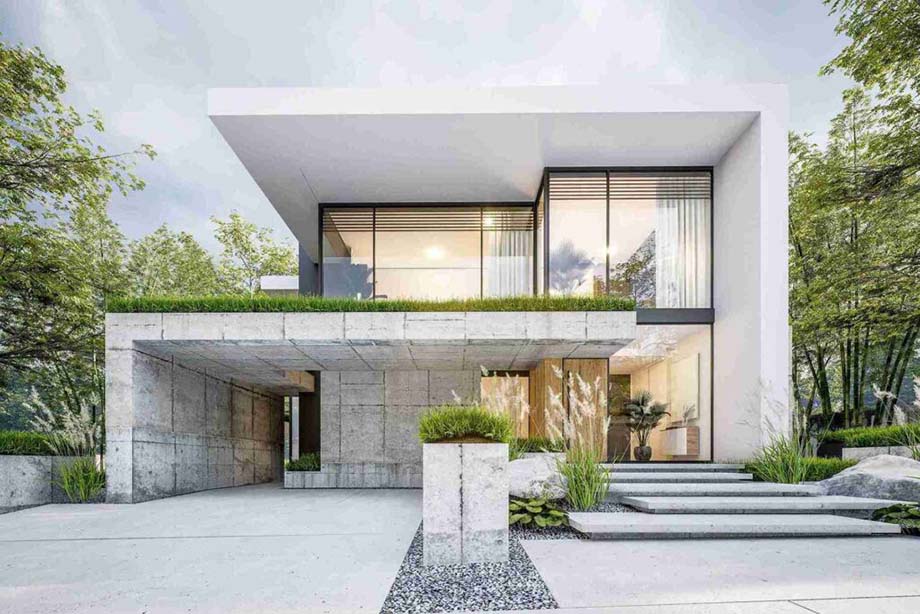
The exterior of a building is the first impression people experience before stepping inside. Whether it’s a home, office, or commercial property, the exterior design reflects style, personality, and architectural intent. A well-designed exterior not only enhances visual appeal but also improves durability, property value, and functionality.
Modern exterior design blends aesthetics, materials, landscaping, and lighting to create spaces that feel welcoming while standing strong against weather and environmental conditions.
What Is Exterior Design?
Exterior design refers to the outer appearance and structural elements of a building. It includes architectural features, materials, finishes, colors, landscaping, and outdoor spaces.
The goal is to create a balanced structure that is both visually attractive and structurally practical.
Common Elements of Exterior Design
Key elements that shape the exterior of a building include:
- Facade design – The main front appearance of the building
- Roof style – Gable, hip, flat, or modern geometric roofs
- Wall materials – Brick, stone, concrete, wood, metal, or glass
- Windows and doors – Placement, size, and design
- Outdoor lighting – Enhances safety and visual appeal
- Landscaping – Gardens, lawns, pathways, and trees
Each of these components contributes to the overall character and functionality of the exterior.
Importance of Exterior Design
A thoughtfully planned exterior offers multiple benefits beyond appearance.
1. Creates a Strong First Impression
Visitors notice the outside of a building before anything else. A clean and stylish exterior instantly communicates quality, taste, and professionalism.
2. Increases Property Value
Homes with attractive exteriors often sell faster and at higher prices. Features such as modern facades, landscaped gardens, and stylish entryways significantly raise property appeal.
3. Improves Energy Efficiency
Exterior materials and design elements can affect insulation and energy use. Proper window placement, shading, and materials help regulate temperature and energy consumption.
4. Enhances Durability
High-quality exterior materials protect the building from rain, sunlight, wind, and temperature changes.
5. Provides Outdoor Living Space
Modern exteriors often incorporate patios, decks, balconies, and gardens, extending usable living areas outside the building.
Popular Exterior Design Styles
Different architectural styles influence how exteriors are designed.
Modern Exterior
Modern homes emphasize clean lines, simple shapes, and large glass windows. Materials often include steel, concrete, and glass.
Characteristics:
- Minimal decoration
- Neutral color palettes
- Flat or low-slope roofs
- Open and bright layouts
Traditional Exterior
Traditional designs are inspired by historic architecture and focus on symmetry and decorative details.
Common features:
- Brick or stone walls
- Decorative columns
- Sloped roofs
- Balanced window placement
Rustic Exterior
Rustic homes focus on natural textures and materials, creating a warm and cozy feel.
Typical materials include:
- Natural wood
- Stone walls
- Exposed beams
- Earth-tone color schemes
Contemporary Exterior
Contemporary design constantly evolves and combines modern architecture with creative elements.
Common features:
- Mixed materials
- Unique shapes
- Large windows
- Bold design features
Key Materials Used in Exterior Construction
Choosing the right materials is essential for durability and appearance.
Brick
- Long-lasting and low maintenance
- Excellent insulation
- Classic and timeless appearance
Stone
- Natural and highly durable
- Adds luxury and texture
- Resistant to weather damage
Wood
- Warm and natural look
- Common in rustic and farmhouse designs
- Requires regular maintenance
Metal Panels
- Popular in modern architecture
- Durable and sleek
- Often used with glass and concrete
Concrete
- Extremely strong
- Modern and industrial aesthetic
- Versatile in design
Exterior Landscaping Ideas
Landscaping plays a crucial role in enhancing the overall exterior.
Popular landscaping features include:
- Green lawns and gardens
- Decorative pathways and stone walkways
- Outdoor seating areas
- Water features such as fountains or ponds
- Garden lighting for nighttime beauty
A well-planned landscape creates a balanced connection between architecture and nature.
Exterior Lighting Tips
Lighting not only improves safety but also highlights architectural details.
Effective lighting strategies include:
- Pathway lighting for walkways
- Accent lighting for walls or textures
- Spotlights for trees and plants
- Warm entrance lighting to highlight the front door
Proper lighting transforms an exterior from ordinary to visually striking at night.
Tips for Improving Your Exterior Design
Small upgrades can dramatically enhance a building’s exterior.
Consider the following improvements:
- Repaint walls using modern color palettes
- Upgrade the front door and entryway
- Install outdoor lighting fixtures
- Add plants, trees, and decorative planters
- Maintain a clean and organized landscape
Even minor changes can significantly boost the curb appeal of a property.
FAQ
1. What does the term exterior mean in architecture?
The exterior refers to the outer part of a building, including walls, roofs, windows, doors, and outdoor spaces that form the visible appearance.
2. What is the most durable material for building exteriors?
Materials such as stone, brick, and concrete are among the most durable options because they resist weather, pests, and structural wear.
3. How can I improve my home’s exterior on a budget?
You can repaint the facade, upgrade outdoor lighting, plant greenery, and improve the front entry to create a noticeable transformation at a low cost.
4. Why is landscaping important for exterior design?
Landscaping enhances visual appeal, improves property value, and creates a harmonious connection between the building and its surroundings.
5. What colors work best for modern house exteriors?
Neutral tones such as white, gray, beige, and charcoal are widely used in modern architecture because they create a clean and timeless look.
6. How does exterior design affect energy efficiency?
Proper window placement, insulation materials, and shading features help reduce heat loss or gain, improving energy efficiency and comfort.
7. What is curb appeal?
Curb appeal refers to how attractive a property looks from the street or entrance, influencing first impressions and property value.