

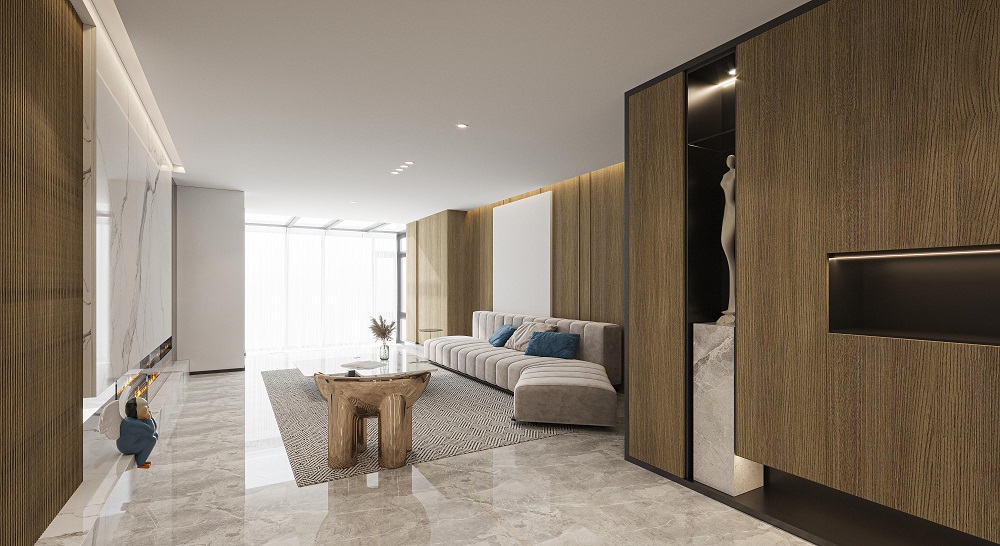
Interior design plays a significant role in determining the market value of a home. While structural improvements are important, the way a home looks and functions internally can greatly influence buyer perception and willingness to pay. A thoughtfully designed interior improves comfort, enhances aesthetics, and makes spaces more functional.
Today’s buyers are not just purchasing square footage—they are investing in lifestyle and visual appeal. A well-designed home creates a strong emotional connection with potential buyers, often resulting in faster sales and higher offers.
Why Interior Design Matters in Real Estate
Interior design goes beyond decorating. It involves strategic planning of space, lighting, color, materials, and layout to improve the overall functionality and visual harmony of a home.
A professionally designed home can:
- Increase perceived property value
- Attract more potential buyers
- Reduce time spent on the market
- Improve comfort and usability
- Highlight architectural strengths of the property
Homes that feel modern, organized, and visually appealing tend to command higher resale prices compared to poorly designed spaces.
Key Interior Design Elements That Boost Home Value
1. Smart Space Planning
Effective space planning ensures every area of the home is used efficiently. Buyers appreciate homes that feel open, organized, and easy to move through.
Ways space planning increases value:
- Creating open floor plans
- Removing unnecessary walls
- Adding built-in storage
- Designing multifunctional rooms
Even small homes can feel spacious with proper layout planning, making them more appealing to buyers.
2. Modern Kitchen Design
The kitchen is often considered the heart of the home, and it is one of the first areas buyers evaluate. A stylish, functional kitchen can significantly increase property value.
Important kitchen design features include:
- Modern cabinetry and storage solutions
- High-quality countertops (quartz, granite, or marble)
- Stylish lighting fixtures
- Functional kitchen islands
- Neutral color palettes
A kitchen renovation often delivers one of the highest returns on investment in real estate.
3. Lighting Design and Natural Light
Lighting dramatically affects how a home looks and feels. Proper lighting design makes spaces appear larger, brighter, and more welcoming.
Types of lighting that enhance home value:
- Ambient lighting – general illumination
- Task lighting – focused light for activities
- Accent lighting – highlighting artwork or architecture
Homes with large windows, skylights, and well-planned artificial lighting feel more inviting and visually appealing.
4. Neutral Color Palettes
Neutral colors appeal to a wider range of buyers because they create a clean and timeless look. Shades like white, beige, gray, and soft earth tones make spaces feel calm and versatile.
Benefits of neutral interiors:
- Make rooms appear larger
- Allow buyers to imagine their own décor
- Improve natural light reflection
- Provide a modern, polished appearance
A neutral palette helps the home feel move-in ready, which can increase buyer interest.
5. Quality Materials and Finishes
The materials used in a home significantly influence its perceived value. High-quality finishes convey durability and luxury.
Examples of valuable interior upgrades:
- Hardwood or engineered wood flooring
- Marble or quartz countertops
- Designer tiles and backsplashes
- Custom cabinetry
- High-quality fixtures and hardware
These elements enhance both visual appeal and long-term durability.
Psychological Impact on Buyers
Interior design affects how buyers emotionally respond to a property. When buyers walk into a beautifully designed home, they often imagine living there immediately.
Key psychological advantages include:
- Creating a strong first impression
- Making spaces feel comfortable and functional
- Highlighting lifestyle possibilities
- Reducing perceived renovation costs
This emotional connection can significantly increase the likelihood of a higher purchase offer.
Cost vs. Return on Interior Design
Not every design upgrade requires a large investment. Even modest improvements can deliver noticeable value.
Examples of cost-effective upgrades:
- Fresh paint in neutral colors
- Updated lighting fixtures
- Stylish cabinet hardware
- Decluttering and staging
- Adding mirrors to expand visual space
Strategic interior updates often provide excellent return on investment compared to major structural renovations.
Interior Design Trends That Increase Property Value
Modern buyers are increasingly drawn to homes with updated design trends such as:
- Open-plan living spaces
- Sustainable materials and eco-friendly designs
- Smart home technology integration
- Minimalist and clutter-free interiors
- Indoor-outdoor living concepts
Homes that reflect current lifestyle trends tend to sell faster and at higher prices.
Final Thoughts
Interior design has a powerful impact on how a property is perceived and valued. By improving layout, lighting, materials, and overall aesthetics, homeowners can significantly enhance the appeal of their property.
Thoughtful design choices not only make a home more comfortable to live in but also create a strong impression on potential buyers. As a result, investing in quality interior design can lead to higher resale value, quicker sales, and greater buyer interest.
Frequently Asked Questions (FAQs)
1. Does interior design really increase a home’s resale value?
Yes. Well-designed interiors improve aesthetics, functionality, and buyer appeal, which often leads to higher property valuations and faster sales.
2. Which room adds the most value through interior design?
The kitchen and living room usually have the greatest influence on home value because they are the most frequently used spaces.
3. Is hiring an interior designer worth the investment?
In many cases, yes. Professional designers understand space planning, materials, and buyer preferences, helping homeowners achieve better resale outcomes.
4. What interior upgrades provide the best return on investment?
High-return upgrades include kitchen updates, improved lighting, neutral paint, quality flooring, and modern bathroom fixtures.
5. Do luxury materials always increase home value?
Not necessarily. The key is using materials that match the overall property value and local real estate market expectations.
6. Can small homes benefit from interior design?
Absolutely. Smart layouts, multifunctional furniture, and strategic lighting can make small homes feel larger and more attractive to buyers.
7. How important is home staging when selling a property?
Home staging is very important. It helps present the home in the best possible way, allowing buyers to visualize the space and increasing the chances of a successful sale.