

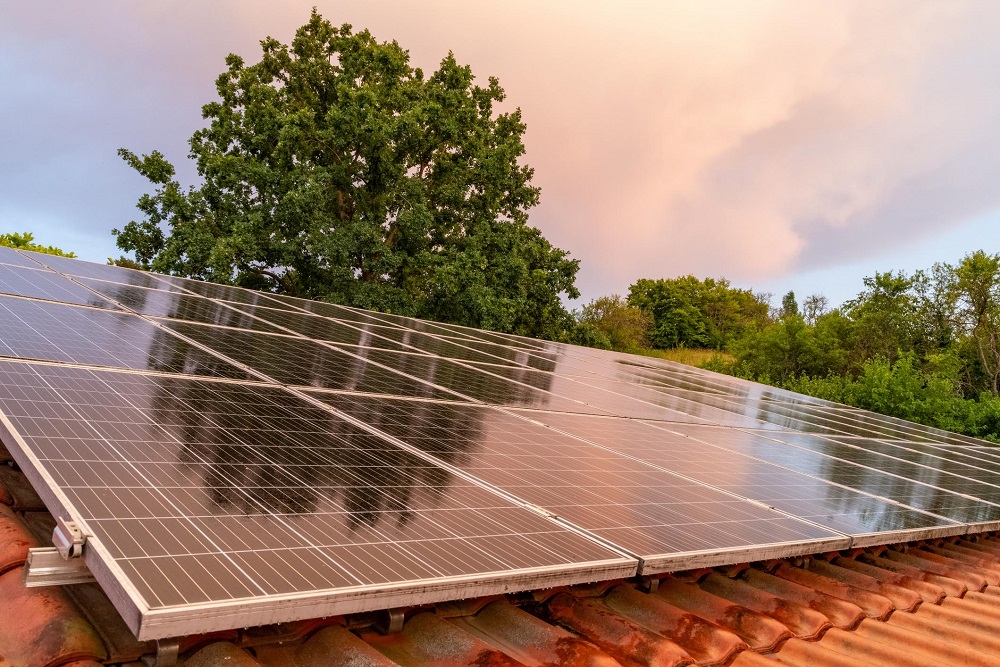
Solar energy has become one of the most promising renewable energy sources in the modern world. As concerns about climate change and rising energy costs continue to grow, solar power offers a clean, sustainable, and increasingly affordable solution. By harnessing the power of sunlight, individuals, businesses, and governments can generate electricity without relying on fossil fuels.
Today, solar technology is advancing rapidly, making it easier than ever to install and benefit from solar systems. From residential rooftops to massive solar farms, this energy source is helping reshape how the world produces and consumes electricity.
What Is Solar Energy?
Solar energy is the energy that comes from the sun’s radiation. This energy can be captured and converted into electricity or heat using specialized technologies.
The most common way to generate solar electricity is through photovoltaic (PV) panels. These panels contain semiconductor materials that convert sunlight directly into electrical power.
Key components of a solar power system include:
- Solar panels – capture sunlight and generate electricity
- Inverter – converts direct current (DC) into usable alternating current (AC)
- Battery storage (optional) – stores excess electricity for later use
- Mounting system – secures panels on roofs or ground structures
Together, these components create a system capable of producing clean and renewable electricity.
How Solar Panels Work
Solar panels rely on the photovoltaic effect, a process where sunlight excites electrons inside semiconductor materials such as silicon. When sunlight strikes the surface of a solar cell, electrons begin to move, generating an electric current.
The process works in several stages:
- Sunlight hits the solar panels
- Photovoltaic cells absorb solar radiation
- Electrons move within the semiconductor material
- Direct current electricity is produced
- The inverter converts DC power into AC power
- Electricity powers homes, buildings, or feeds into the grid
This simple yet powerful process allows solar panels to generate electricity without producing harmful emissions.
Types of Solar Energy Systems
Solar energy systems can be installed in several configurations depending on energy needs and location.
1. Grid-Tied Solar Systems
These systems are connected to the local electricity grid. Any excess electricity generated can be exported back to the grid, often earning energy credits.
Benefits:
- Lower installation cost
- No need for large battery storage
- Efficient for urban homes and businesses
2. Off-Grid Solar Systems
Off-grid systems operate independently from the electricity grid and rely heavily on battery storage.
Common uses:
- Remote areas without grid access
- Rural homes and cabins
- Agricultural facilities
3. Hybrid Solar Systems
Hybrid systems combine grid connectivity with battery storage, providing both reliability and backup power.
Advantages:
- Energy independence
- Backup during power outages
- Better control of electricity usage
Advantages of Solar Energy
Solar power offers numerous environmental and economic benefits.
Clean and Renewable
Solar energy is 100% renewable and produces no greenhouse gas emissions during electricity generation.
Reduced Electricity Bills
Installing solar panels can significantly reduce monthly energy expenses by generating free electricity from sunlight.
Low Maintenance
Solar systems require minimal maintenance. Most panels can operate efficiently for 25–30 years.
Energy Independence
Solar power allows households and businesses to become less dependent on traditional power sources.
Scalable Technology
Solar systems can be installed in small residential setups or large-scale power plants.
Challenges of Solar Energy
While solar power offers many advantages, there are still some limitations to consider.
Weather Dependency
Solar panels generate less electricity during cloudy days or at night, which can affect energy production.
Initial Installation Cost
Although prices have decreased significantly, the upfront cost of solar installation can still be a barrier for some households.
Space Requirements
Large solar systems require sufficient roof or land area for installation.
Despite these challenges, technological advancements and government incentives continue to make solar energy more accessible worldwide.
Applications of Solar Energy
Solar power is now used in a wide range of applications across residential, commercial, and industrial sectors.
Residential Use
- Rooftop solar panels for homes
- Solar water heating systems
- Solar-powered lighting
Commercial Use
- Office building power generation
- Solar parking structures
- Commercial rooftop installations
Industrial and Utility-Scale Use
- Large solar farms generating megawatts of electricity
- Solar-powered irrigation systems for agriculture
- Solar energy for manufacturing facilities
These applications demonstrate how solar energy is becoming an essential part of modern infrastructure.
The Future of Solar Energy
The future of solar energy looks extremely promising. Researchers and engineers are developing more efficient photovoltaic cells, energy storage solutions, and smart grid technologies.
Some emerging innovations include:
- Perovskite solar cells with higher efficiency potential
- Solar panel recycling technologies
- Floating solar farms on reservoirs and lakes
- Integrated solar building materials
As these technologies continue to evolve, solar power is expected to play a major role in achieving global clean energy goals.
Conclusion
Solar energy represents a powerful step toward a sustainable future. With its ability to generate clean electricity from an abundant natural resource, solar power is helping reduce carbon emissions and dependence on fossil fuels. As technology improves and installation costs continue to fall, solar energy will likely become one of the dominant sources of electricity worldwide.
For homeowners, businesses, and governments alike, investing in solar power is not just an environmental decision—it is also a smart economic choice.
Frequently Asked Questions (FAQs)
1. How long do solar panels typically last?
Most solar panels have a lifespan of 25 to 30 years, although they can continue producing electricity even beyond that period with slightly reduced efficiency.
2. Can solar panels work during cloudy weather?
Yes, solar panels still generate electricity during cloudy days, but the output is lower compared to bright sunny conditions.
3. Do solar panels require frequent maintenance?
Solar panels require minimal maintenance. Cleaning dust and debris occasionally and periodic system inspections are usually sufficient.
4. Is solar energy suitable for small homes?
Yes, solar energy systems can be customized based on energy needs, making them suitable for small homes, apartments, and large properties.
5. What happens to excess electricity generated by solar panels?
In grid-connected systems, excess electricity can often be sent back to the grid through net metering, earning energy credits.
6. Are solar batteries necessary for a solar system?
Solar batteries are optional. They are mainly used to store extra electricity for use at night or during power outages.
7. Is solar energy environmentally friendly?
Yes, solar energy is one of the cleanest forms of energy, producing electricity without air pollution or greenhouse gas emissions.