

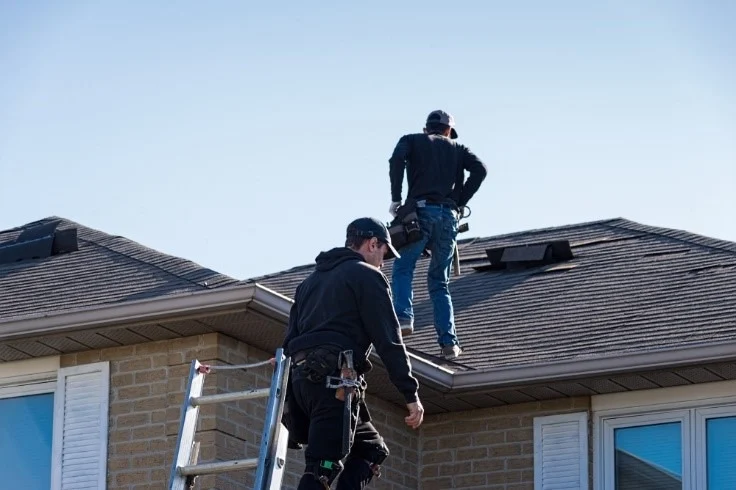
A roof is one of the most important structural elements of a home. It protects everything underneath it—from walls and insulation to furniture and personal belongings. Yet many homeowners overlook roof maintenance until problems appear. Regular upkeep not only prevents costly repairs but also extends the lifespan of roofing materials.
A well-maintained roof improves energy efficiency, prevents water damage, and protects the structural integrity of your home. By following consistent maintenance practices, homeowners can avoid unexpected leaks, mold growth, and premature roof replacement.
Why Roof Maintenance Matters
Ignoring roof care can lead to serious issues such as water infiltration, structural decay, and insulation damage. Small problems like cracked shingles or clogged gutters can quickly escalate into expensive repairs if left unchecked.
Key benefits of routine roof maintenance include:
- Extending the lifespan of roofing materials
- Preventing leaks and water damage
- Maintaining home energy efficiency
- Protecting structural integrity
- Preserving property value
Even simple seasonal inspections can help identify issues before they worsen.
Inspect Your Roof Regularly
Routine inspections help detect minor issues early. Ideally, homeowners should check their roofs twice a year—once in spring and once in fall.
During inspections, look for:
- Missing, cracked, or curling shingles
- Rusted or damaged flashing
- Sagging roof sections
- Moss, algae, or mold growth
- Debris accumulation
If climbing onto the roof feels unsafe, binocular inspections from the ground or hiring a professional inspector can be effective alternatives.
Keep Gutters Clean and Functional
Gutters play a crucial role in directing water away from the roof and foundation. When gutters clog with leaves, dirt, and debris, water can overflow and seep under roofing materials.
Maintenance tips for gutters:
- Clean gutters at least twice a year
- Install gutter guards to reduce debris buildup
- Ensure downspouts direct water away from the house
- Check for sagging or loose gutter sections
Clogged gutters are one of the most common causes of roof leaks and fascia damage.
Remove Moss, Algae, and Debris
Organic growth such as moss and algae can trap moisture on the roof surface. Over time, this moisture weakens shingles and accelerates deterioration.
Effective ways to manage roof growth:
- Use a soft-bristle brush to remove moss
- Apply specialized roof-cleaning solutions
- Trim overhanging tree branches to reduce shade
- Improve roof ventilation
Avoid pressure washing, as it can damage shingles and shorten the roof’s lifespan.
Repair Damaged Shingles Immediately
Shingles serve as the roof’s first line of defense against rain and wind. When shingles become cracked or missing, the underlying layers become vulnerable to moisture.
Signs shingles need repair or replacement:
- Granules collecting in gutters
- Shingles lifting or curling
- Visible cracks or breakage
- Dark or bald spots on shingles
Prompt repairs help prevent water infiltration and protect the roof deck beneath.
Check Flashing and Sealants
Flashing seals areas where the roof meets chimneys, vents, skylights, or walls. Because these areas experience constant expansion and contraction from temperature changes, they are more likely to develop gaps.
Maintenance checklist:
- Inspect flashing for rust or separation
- Replace cracked sealant or caulking
- Ensure flashing remains tightly secured
Proper flashing maintenance prevents water from entering vulnerable roof joints.
Trim Nearby Trees
Overhanging tree branches can scrape roofing materials and drop debris onto the roof. In addition, branches provide easy access for animals such as squirrels and raccoons.
Tree maintenance tips:
- Trim branches at least 6–10 feet away from the roof
- Remove dead limbs that could fall during storms
- Keep surrounding vegetation well maintained
Maintaining clearance around the roof reduces damage risks during storms and high winds.
Ensure Proper Attic Ventilation
Roof health is closely connected to attic ventilation. Poor ventilation traps heat and moisture, which can warp roof structures and cause shingles to deteriorate prematurely.
Benefits of proper ventilation include:
- Reducing moisture buildup
- Preventing mold growth
- Improving energy efficiency
- Extending roof lifespan
Check that vents are unobstructed and insulation is properly installed.
Schedule Professional Roof Inspections
While DIY checks are useful, professional roof inspections provide a more detailed assessment. Roofing experts can identify hidden problems that are not visible from the ground.
When to schedule professional inspections:
- After severe storms or heavy snowfall
- When buying or selling a home
- If the roof is over 10 years old
- When signs of leaks or damage appear
Professional inspections often catch small issues before they become major structural problems.
Plan Preventive Maintenance
A proactive maintenance strategy ensures that your roof remains reliable for decades. Regular care reduces emergency repairs and protects your investment.
A simple annual maintenance routine might include:
- Spring inspection and gutter cleaning
- Summer tree trimming and debris removal
- Fall roof inspection before winter
- Winter monitoring for ice dams and snow buildup
Consistency is the key to long-term roof protection.
Conclusion
Your roof works continuously to shield your home from harsh weather and environmental elements. Without routine maintenance, even the strongest roofing materials can deteriorate quickly. Regular inspections, gutter cleaning, debris removal, and timely repairs help extend the lifespan of the roof while protecting the entire structure beneath it.
By adopting preventive maintenance practices, homeowners can ensure their roofs remain durable, efficient, and reliable for many years.
Frequently Asked Questions (FAQs)
1. How often should a roof be inspected?
A roof should ideally be inspected twice a year, usually in spring and fall, and after major storms.
2. What is the average lifespan of a residential roof?
The lifespan depends on the material. Asphalt shingles typically last 20–30 years, while metal and tile roofs can last 40–70 years.
3. Can clogged gutters damage a roof?
Yes. Clogged gutters trap water, which can seep under shingles and cause leaks, wood rot, and structural damage.
4. Is it safe to pressure wash a roof?
No. Pressure washing can damage shingles and remove protective granules. Soft washing or gentle cleaning methods are safer.
5. What causes moss to grow on roofs?
Moss grows in moist, shaded areas, especially where tree branches block sunlight and trap moisture.
6. When should roof shingles be replaced instead of repaired?
If large sections are damaged, curling, or losing granules, replacing the affected area—or the entire roof—may be necessary.
7. How do I know if my roof has a hidden leak?
Common signs include water stains on ceilings, peeling paint, musty attic odors, or damp insulation. A professional inspection can confirm the source.