

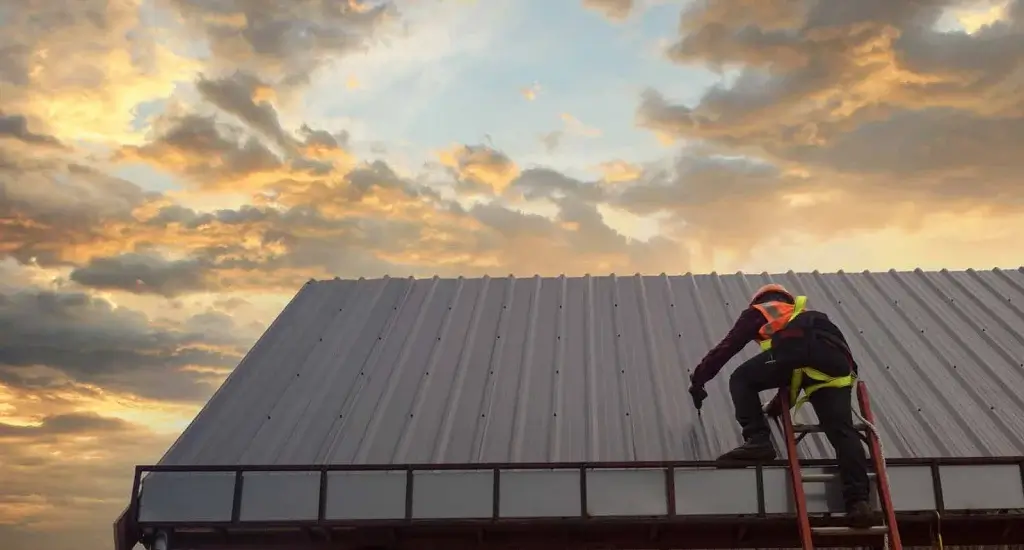
A roof does far more than complete the look of a house—it protects everything beneath it. From shielding interiors against harsh weather to maintaining structural integrity, a properly installed roof plays a vital role in the safety and durability of a building.
While some homeowners consider cutting costs with DIY installation or inexperienced contractors, roofing is one of the few home improvements where professional expertise truly makes a significant difference. Quality installation directly affects the roof’s lifespan, energy efficiency, and overall performance.
The Critical Role of Proper Roof Installation
Roof installation is a complex process involving precise measurements, material selection, structural preparation, and safety protocols. Even a minor mistake during installation can lead to major problems later.
Professional roofing contractors follow proven installation standards to ensure every layer—from underlayment to shingles—is applied correctly. This systematic approach helps prevent common issues such as:
- Water leaks and moisture damage
- Poor ventilation leading to mold growth
- Premature roof deterioration
- Structural stress on the home
A well-installed roof can last decades, while poor installation may lead to costly repairs within a few years.
Enhanced Protection Against Weather
Roofs face constant exposure to environmental elements such as rain, wind, sunlight, and temperature fluctuations. Professional installers understand how different roofing materials behave under varying weather conditions.
Experienced contractors ensure:
- Proper waterproofing layers
- Correct shingle alignment
- Secure flashing around vents and chimneys
- Effective drainage through gutters and slopes
These factors work together to keep water from penetrating the home’s structure. Without professional installation, even high-quality materials can fail.
Increased Roof Lifespan
One of the biggest advantages of hiring professionals is longevity. Roofing materials are designed to perform for specific time periods—often 20 to 50 years. However, that lifespan depends heavily on correct installation.
Professionally installed roofs benefit from:
- Accurate material placement
- Proper sealing and fastening
- Balanced weight distribution
- Adequate ventilation systems
When these elements are handled correctly, the roof can reach or even exceed its expected lifespan.
Energy Efficiency and Home Comfort
A poorly installed roof can lead to air leaks and inadequate insulation, making heating and cooling systems work harder.
Professional roofing installation helps improve energy efficiency by ensuring:
- Proper attic ventilation
- Effective insulation layers
- Reduced heat transfer through roofing materials
This results in more consistent indoor temperatures and potentially lower energy bills throughout the year.
Compliance with Building Codes
Roofing projects must meet local building regulations and safety standards. Professional contractors are familiar with these requirements and ensure installations comply with them.
This compliance is important because it:
- Prevents legal or insurance complications
- Ensures structural safety
- Protects property value during resale
A roof installed without following building codes may require costly corrections later.
Safety During Installation
Roofing is physically demanding and potentially dangerous work. Professionals are trained to handle the risks associated with working at heights and using specialized equipment.
Licensed contractors typically use:
- Safety harness systems
- Secure scaffolding and ladders
- Protective gear
- Industry-standard tools
By hiring professionals, homeowners avoid the safety hazards involved in attempting complex roofing tasks themselves.
Warranty Protection
Most roofing materials come with manufacturer warranties—but many of these warranties are only valid if the roof is installed by certified professionals.
Professional installation ensures:
- Eligibility for manufacturer warranties
- Workmanship guarantees from contractors
- Protection against installation-related defects
Without professional installation, homeowners may lose valuable warranty coverage.
Long-Term Cost Savings
Although professional installation may seem more expensive upfront, it often saves money over time.
Proper installation reduces the likelihood of:
- Frequent repairs
- Structural damage
- Water intrusion issues
- Early roof replacement
In many cases, investing in professional work prevents thousands of dollars in future repair costs.
Peace of Mind for Homeowners
Perhaps the most valuable benefit of professional roofing installation is peace of mind. Homeowners can trust that their roof has been installed correctly and will perform reliably for years.
Instead of worrying about hidden defects or unexpected leaks, a professionally installed roof provides confidence that the home is well protected.
Conclusion
A roof is one of the most important components of any building, and its performance depends heavily on how well it is installed. Professional roofing installation ensures proper protection, durability, energy efficiency, and compliance with safety standards.
While DIY approaches or inexperienced contractors may appear to save money initially, the long-term risks often outweigh the short-term savings. Choosing professional installation is ultimately an investment in the safety, value, and longevity of a home.
Frequently Asked Questions (FAQs)
1. How long does professional roof installation usually take?
Most residential roof installations take between one and three days, depending on the roof size, material type, weather conditions, and structural complexity.
2. What are the signs of poor roof installation?
Common signs include uneven shingles, frequent leaks, missing flashing, sagging areas, and poor attic ventilation.
3. Is professional roofing installation worth the cost?
Yes. Professional installation helps prevent future repairs, extends roof lifespan, and protects warranties, making it a cost-effective long-term investment.
4. Can improper installation void roofing warranties?
In many cases, yes. Roofing manufacturers often require installation by certified professionals to maintain warranty coverage.
5. What qualifications should a roofing contractor have?
Look for licensed, insured, and experienced contractors with strong customer reviews and familiarity with local building codes.
6. Does roof installation affect home energy efficiency?
Absolutely. Proper installation improves insulation and ventilation, which helps maintain indoor temperature and reduces energy consumption.
7. How often should a professionally installed roof be inspected?
Experts recommend inspecting the roof at least once a year and after major storms to detect potential issues early.