

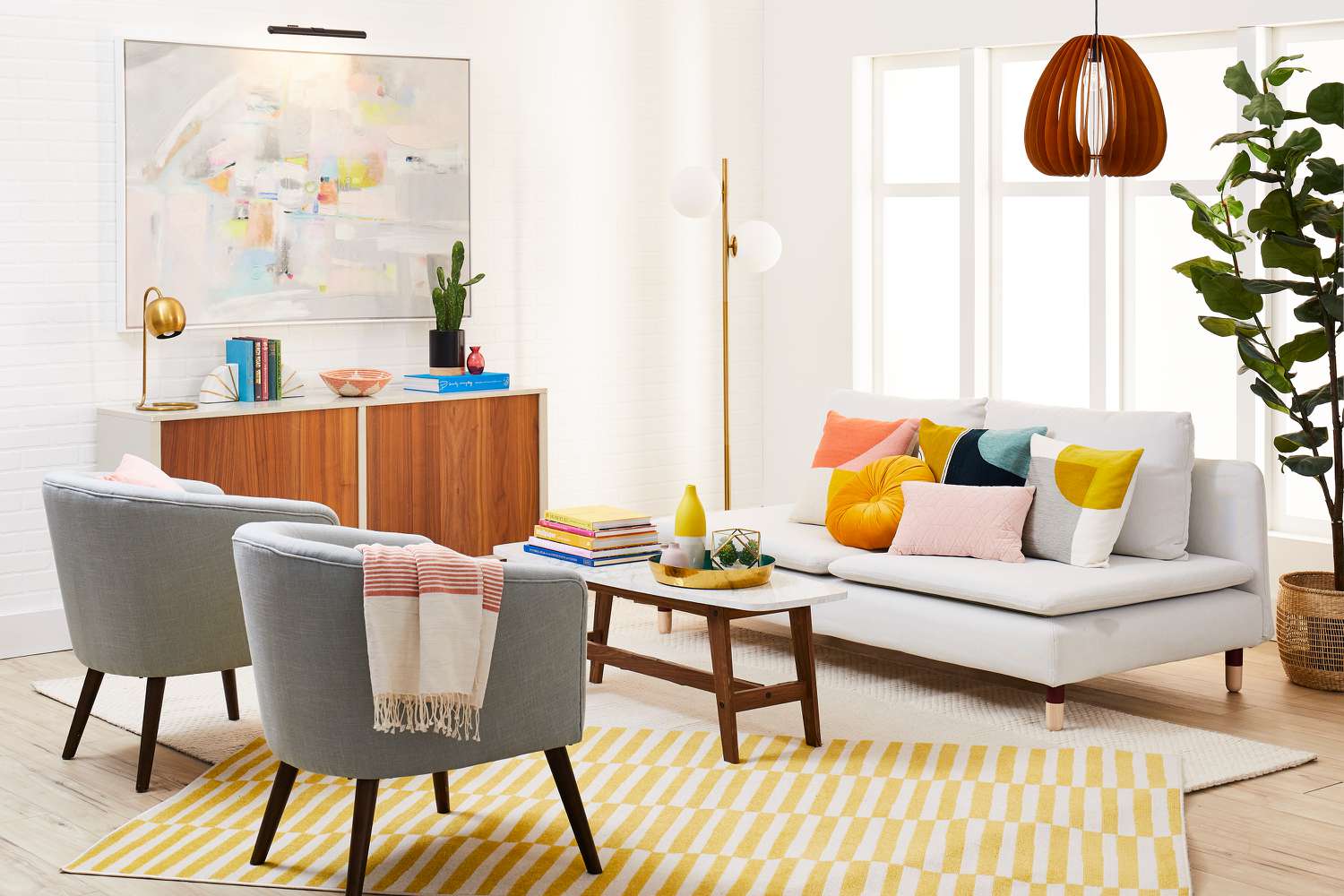
Contemporary homes are evolving alongside changing lifestyles, technology, and sustainability awareness. Modern furniture trends now focus on comfort, minimalism, smart functionality, and aesthetic harmony. Instead of heavy and decorative pieces, homeowners prefer furniture that feels light, practical, and visually balanced.
From modular sofas to eco-friendly materials, today’s furniture designs reflect a blend of style, efficiency, and adaptability. These trends help create living spaces that are both visually appealing and highly functional for everyday life.
Minimalist Furniture Design
Minimalism remains one of the strongest influences in contemporary interior design. The idea revolves around clean lines, uncluttered spaces, and purposeful furniture pieces.
Key characteristics
- Simple geometric shapes
- Neutral color palettes like white, beige, grey, and soft earth tones
- Furniture with hidden storage
- Open space layouts
Minimalist furniture often uses sleek metal frames, light wood finishes, and matte surfaces, making rooms feel spacious and calm.
Multi-Functional and Modular Furniture
As urban homes become smaller, multi-functional furniture has become essential. These pieces are designed to serve multiple purposes while saving space.
Popular multi-functional furniture options
- Sofa beds for living rooms and guest spaces
- Expandable dining tables for flexible seating
- Storage ottomans and benches
- Modular shelving systems
Modular furniture allows homeowners to rearrange or expand pieces according to changing needs, making it ideal for modern apartments and compact homes.
Sustainable and Eco-Friendly Materials
Sustainability is no longer just a trend — it has become a priority in furniture design. Consumers are increasingly choosing furniture made from environmentally responsible materials.
Common sustainable materials
- Reclaimed wood
- Bamboo
- Recycled metal and plastic
- Natural fabrics like linen and organic cotton
Eco-friendly furniture not only reduces environmental impact but also brings a warm, natural aesthetic to contemporary interiors.
Curved and Soft Furniture Shapes
While minimalism emphasizes simplicity, modern furniture is also embracing soft curves and organic shapes. Rounded furniture pieces add warmth and visual interest to modern interiors.
Examples include:
- Curved sofas
- Rounded coffee tables
- Oval dining tables
- Sculptural lounge chairs
These shapes create a more relaxed and inviting atmosphere, balancing the clean lines of contemporary design.
Smart Furniture Integration
Technology is increasingly being integrated into furniture. Smart furniture enhances convenience and adapts to modern digital lifestyles.
Examples of smart furniture
- Coffee tables with built-in charging ports
- Beds with adjustable positions and sleep tracking
- Desks with wireless charging
- Smart lighting integrated into shelves or headboards
These innovations help create homes that are more comfortable, efficient, and technologically advanced.
Mixed Materials and Textures
Contemporary furniture often combines multiple materials to create contrast and visual depth.
Popular combinations
- Wood and metal
- Glass and marble
- Fabric and leather
- Concrete and wood
Mixing textures allows furniture to feel both modern and sophisticated, adding character without overwhelming the space.
Neutral Colors with Bold Accent Pieces
Most contemporary interiors use neutral color palettes as a base. However, bold furniture pieces are used to add personality.
Common accent elements
- Vibrant armchairs
- Statement coffee tables
- Patterned cushions
- Unique lighting fixtures
This approach keeps the overall space calm while still allowing creative expression and individuality.
Open and Airy Furniture Layouts
Modern homes often feature open floor plans, which influence furniture placement. Instead of filling rooms with many items, homeowners prefer fewer but more impactful pieces.
Layout strategies
- Floating sofas instead of wall placement
- Open shelving instead of bulky cabinets
- Low-profile furniture to maintain visual flow
This arrangement creates a spacious, breathable environment that enhances natural light and movement.
FAQ
1. What defines modern furniture in contemporary homes?
Modern furniture is characterized by clean lines, minimal decoration, functional design, and neutral color schemes. It focuses on simplicity and practicality.
2. Why is modular furniture popular today?
Modular furniture is popular because it is flexible, space-saving, and adaptable. Homeowners can rearrange pieces depending on their needs and room layout.
3. Are curved furniture designs replacing straight lines?
Not entirely. Curved designs are being used to soften modern interiors, but they are often combined with straight lines for balance.
4. What materials are trending in modern furniture?
Popular materials include solid wood, metal, glass, marble, bamboo, and recycled materials that support sustainability and durability.
5. How can I make my furniture look more contemporary?
You can update your space by choosing minimalist furniture, neutral colors, modular pieces, and mixed materials.
6. Is modern furniture suitable for small apartments?
Yes. Many modern designs focus on multi-functional and compact furniture, making them ideal for smaller living spaces.
7. What color palette works best for contemporary furniture?
Neutral tones like white, beige, grey, taupe, and soft earth colors are most commonly used, often paired with bold accent pieces for contrast.