

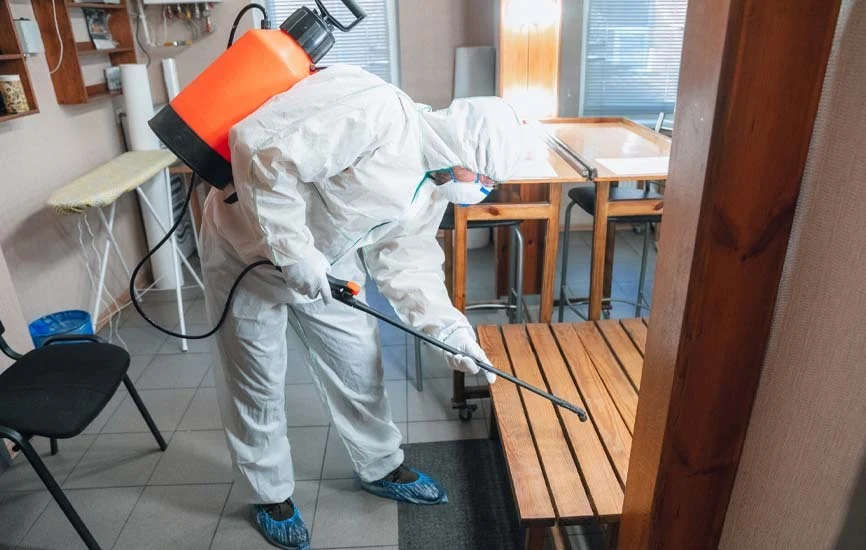
The dining area is one of the busiest spaces in any home. Families gather there every day to enjoy meals, celebrate special occasions, and spend time together. Because food is served and eaten in this space, it can also become one of the first areas to attract unwanted pests if it is not cleaned regularly. Maintaining a clean dining area is an important part of effective pest control and helps keep the entire home healthier and more comfortable.
Many homeowners focus on cleaning the kitchen but pay less attention to the dining room after meals. Crumbs left under the table, spilled drinks, and uncovered leftovers can all attract insects and rodents. Even small amounts of food that remain unnoticed can provide enough nourishment for pests to return again and again.
Cleaning the dining table immediately after every meal is one of the easiest ways to reduce pest activity. Food residue should be wiped away, and any crumbs should be removed before they have a chance to attract insects. Using a damp cloth to clean the table also helps remove sticky spills that may not be visible at first glance.
The floor beneath the dining table deserves just as much attention. Small pieces of food often fall during meals, especially in homes with young children. Sweeping or vacuuming after eating helps eliminate these hidden food sources and supports better pest control throughout the home.
Leftover food should never remain uncovered on the dining table for long periods. Once meals are finished, leftovers should be placed in sealed containers and stored properly. This not only helps preserve food quality but also prevents pests from finding an easy meal.
Simple dining room habits that improve pest control include:
- Wipe the dining table after every meal.
- Sweep or vacuum beneath the table regularly.
- Store leftover food in sealed containers immediately.
Dining chairs should also be cleaned regularly. Food crumbs often collect on seat cushions, around chair legs, and in hard-to-reach corners. Vacuuming upholstered chairs or wiping wooden chairs helps maintain cleanliness while reducing pest attractions.
Tablecloths and placemats should be washed or cleaned frequently. Food stains and spilled drinks left on fabric can attract insects if they are not removed. Keeping these items clean contributes to a healthier dining environment.
The dining room should also remain free from unnecessary clutter. Decorative items, storage baskets, or unused furniture should not block corners where cleaning becomes difficult. An organized space allows homeowners to clean thoroughly and inspect the area more easily.
Garbage management plays an important role as well. If food packaging or disposable plates are used, trash should be removed soon after meals. Allowing food waste to remain indoors for extended periods increases the chances of attracting pests.
Families with pets should pay attention to feeding areas near the dining room. Pet food bowls should be cleaned after use, and spilled food should be removed promptly. Keeping both human and pet eating areas clean helps reduce potential food sources.
Lighting and ventilation also contribute to a clean dining environment. Good airflow helps reduce moisture, while proper lighting makes it easier to notice crumbs, spills, or signs of pest activity during routine cleaning.
Regular inspections are another valuable habit. Homeowners should occasionally move the dining table and chairs to clean underneath and check for signs of pest activity. Droppings, damaged materials, or unusual odors should be investigated immediately before the problem spreads.
Seasonal gatherings often mean larger meals and more food preparation. During holidays or family celebrations, extra attention should be given to cleaning after meals and storing leftovers properly. These occasions naturally create more opportunities for pests if food is left exposed.
Professional pest control services can provide additional support if homeowners continue noticing pest activity around dining or kitchen areas despite maintaining good cleaning habits. Specialists can identify hidden issues and recommend preventive measures for long-term protection.
In conclusion, a clean dining area is an important part of effective pest control. Regular cleaning, proper food storage, organized furniture, prompt garbage removal, and routine inspections all help reduce the conditions that attract pests. By making these simple habits part of everyday life, homeowners can enjoy cleaner meals, a healthier home, and a more comfortable living environment throughout the year.